

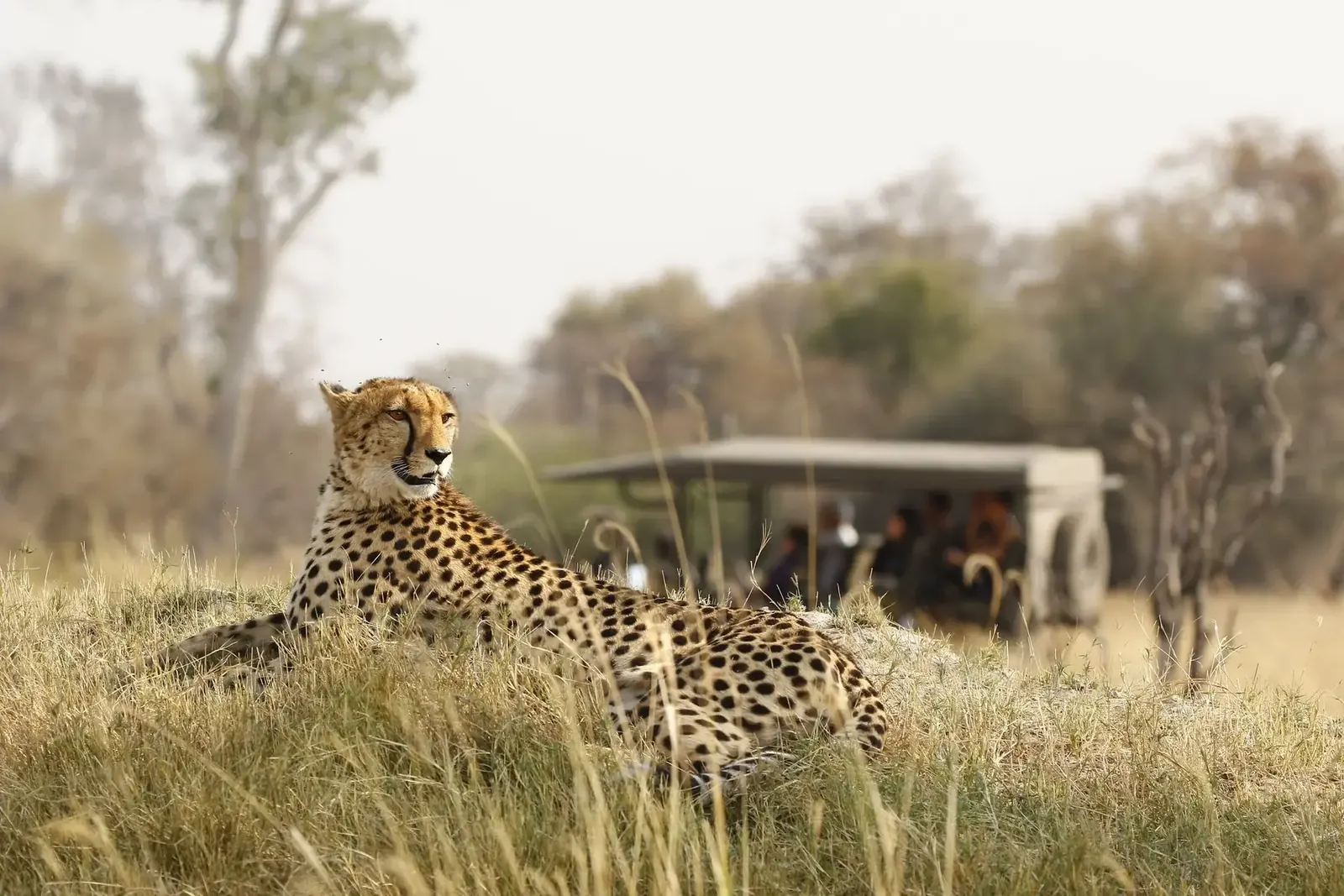


 Serengeti National ParkEndless plains, exceptional predators and the Great Migration.
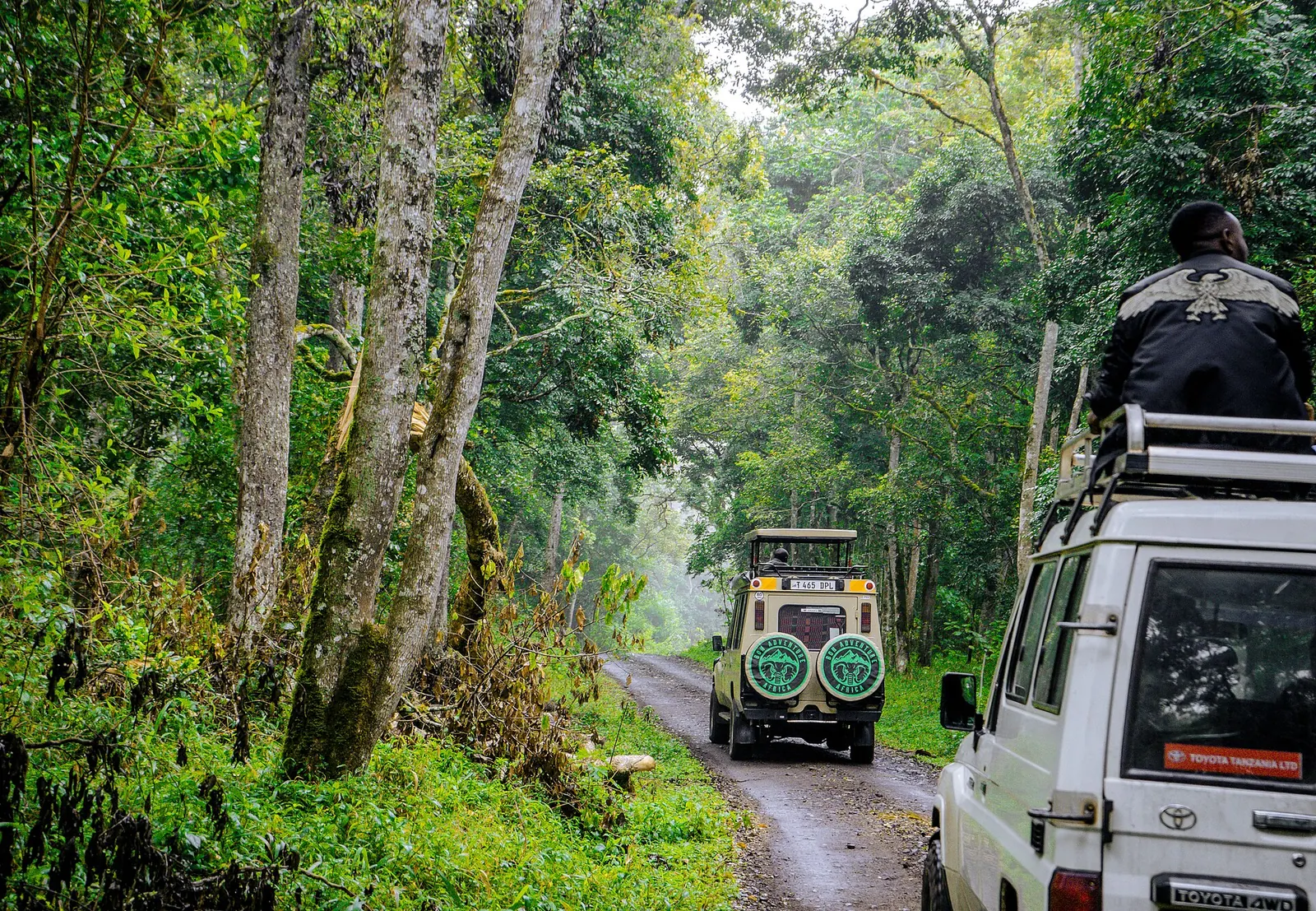
Start with the right bag
If your safari includes light-aircraft flights, luggage is usually limited to around 15 kg per person in a soft-sided bag, including hand luggage. Even on a road safari, a soft duffel fits more easily into the vehicle and is kinder on the road.
Most lodges and camps offer laundry, so you can pack for four or five days rather than the whole trip.
Clothing that works in the bush
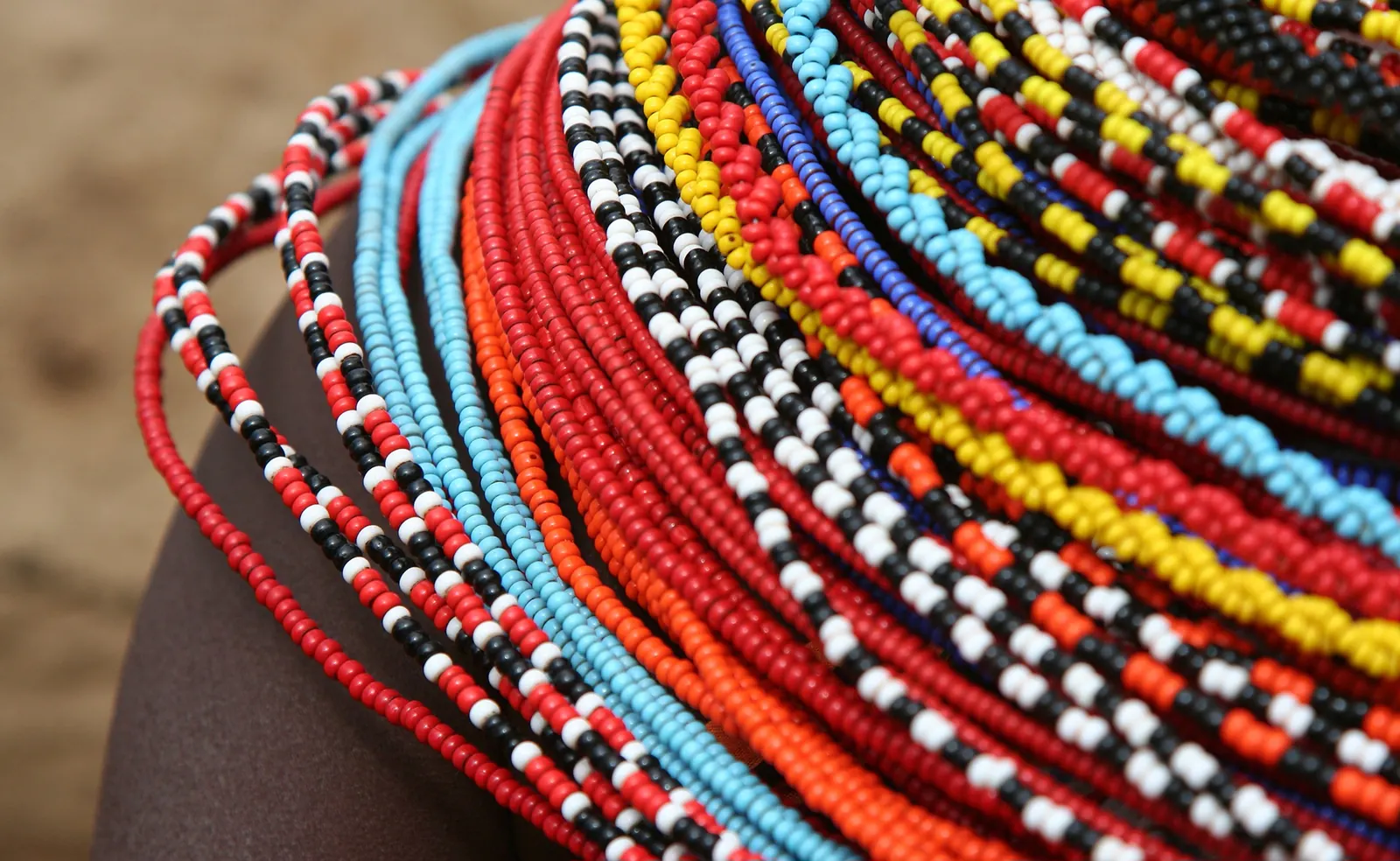
Choose lightweight, breathable layers in neutral colours such as khaki, olive, beige and grey. Avoid dark blue and black, which attract tsetse flies in some areas, and skip camouflage prints.
Mornings and evenings can be cold, particularly at the Ngorongoro Crater rim and on open-vehicle game drives, so bring a fleece or light down jacket. Add long sleeves and trousers for sun and insect protection, a wide-brimmed hat, comfortable closed shoes and sandals for camp.
Essentials people forget
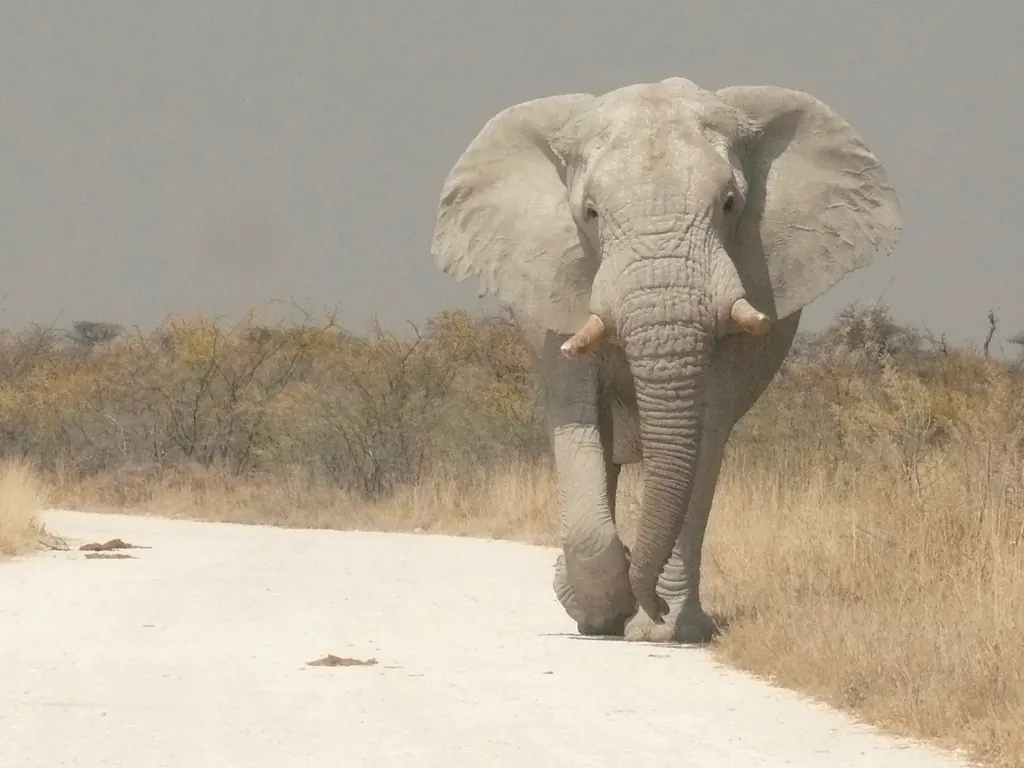
A good pair of binoculars makes a huge difference: ideally one per person. Pack high-factor sunscreen, sunglasses, lip balm, insect repellent, a refillable water bottle, any prescription medication and a small first-aid kit.
For photography, a zoom lens in the 100–400 mm range is ideal, plus spare batteries and memory cards. A universal adapter and a power bank help, as some camps charge devices only at set times.
What to leave at home
Hard-shell suitcases, formal clothes and large amounts of cash are rarely needed. Drones are restricted in Tanzania's national parks without special permits, so leave them behind.
Single-use plastic bags are banned in Tanzania, so pack toiletries in reusable pouches.