







 Serengeti National ParkEndless plains, exceptional predators and the Great Migration.

Two icons, very different experiences
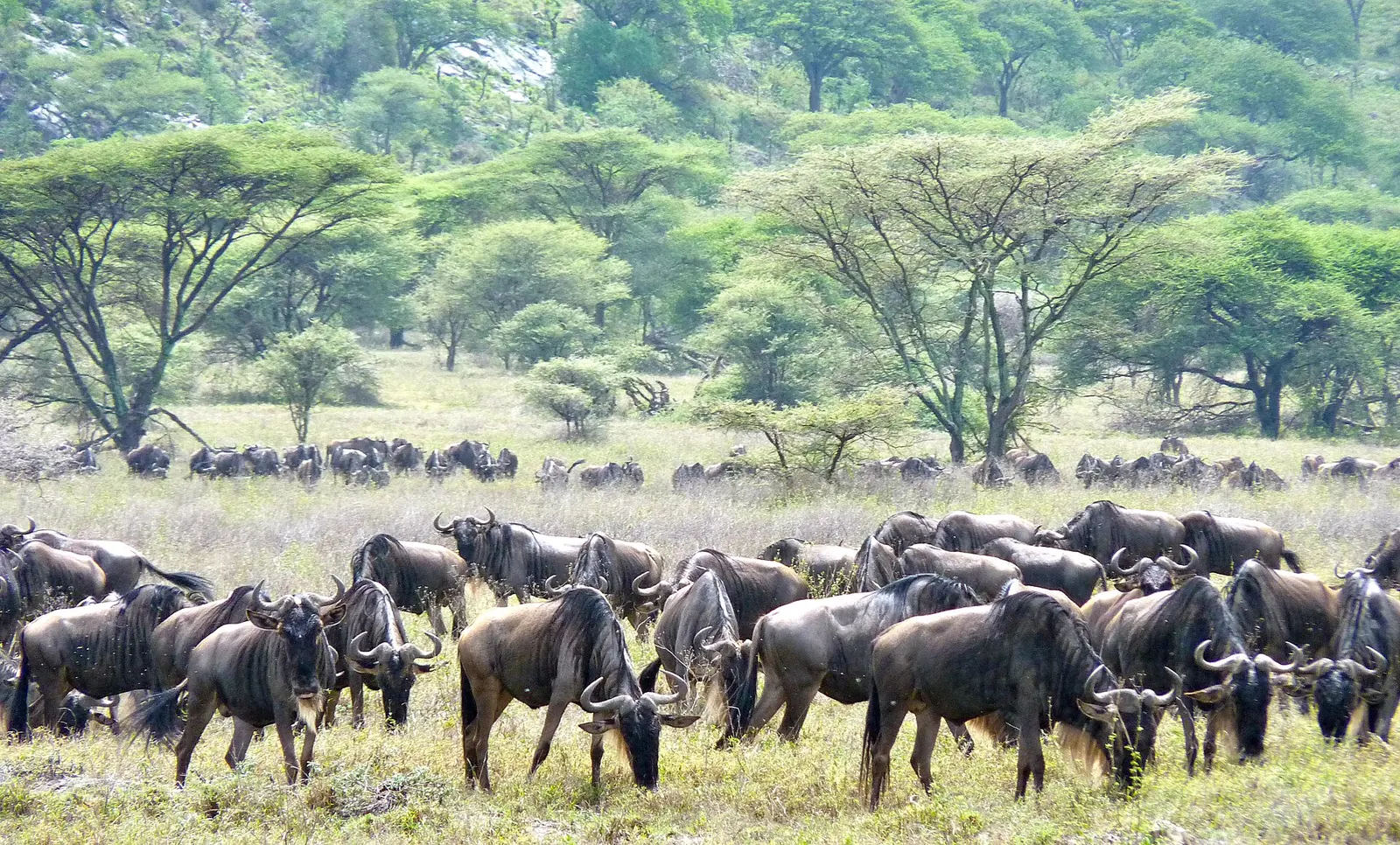
The Serengeti and the Ngorongoro Crater sit side by side in northern Tanzania, yet they feel completely different. The Serengeti is about scale: nearly 15,000 square kilometres of plains, kopjes and river woodland where wildlife moves freely over vast distances.
Ngorongoro is about concentration. The crater floor is roughly 260 square kilometres enclosed by steep walls, and its permanent water and grazing support one of the densest populations of large animals in Africa.
Why choose the Serengeti
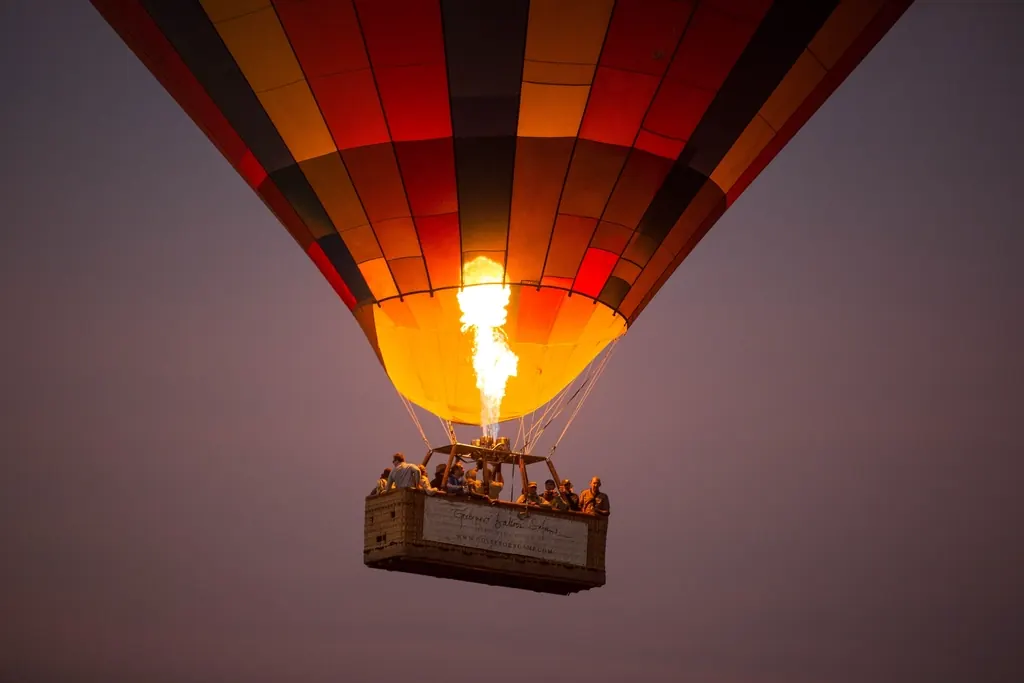
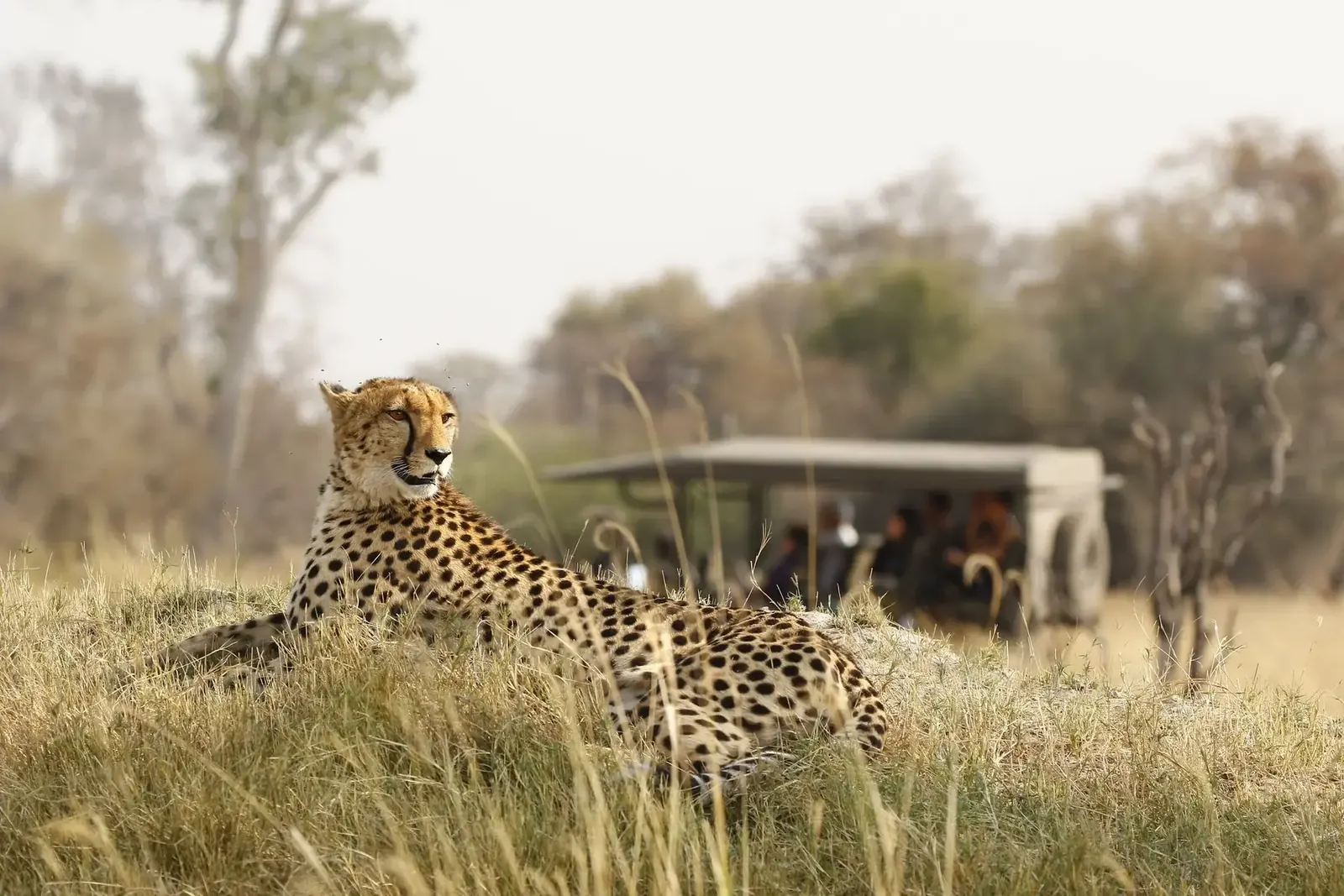
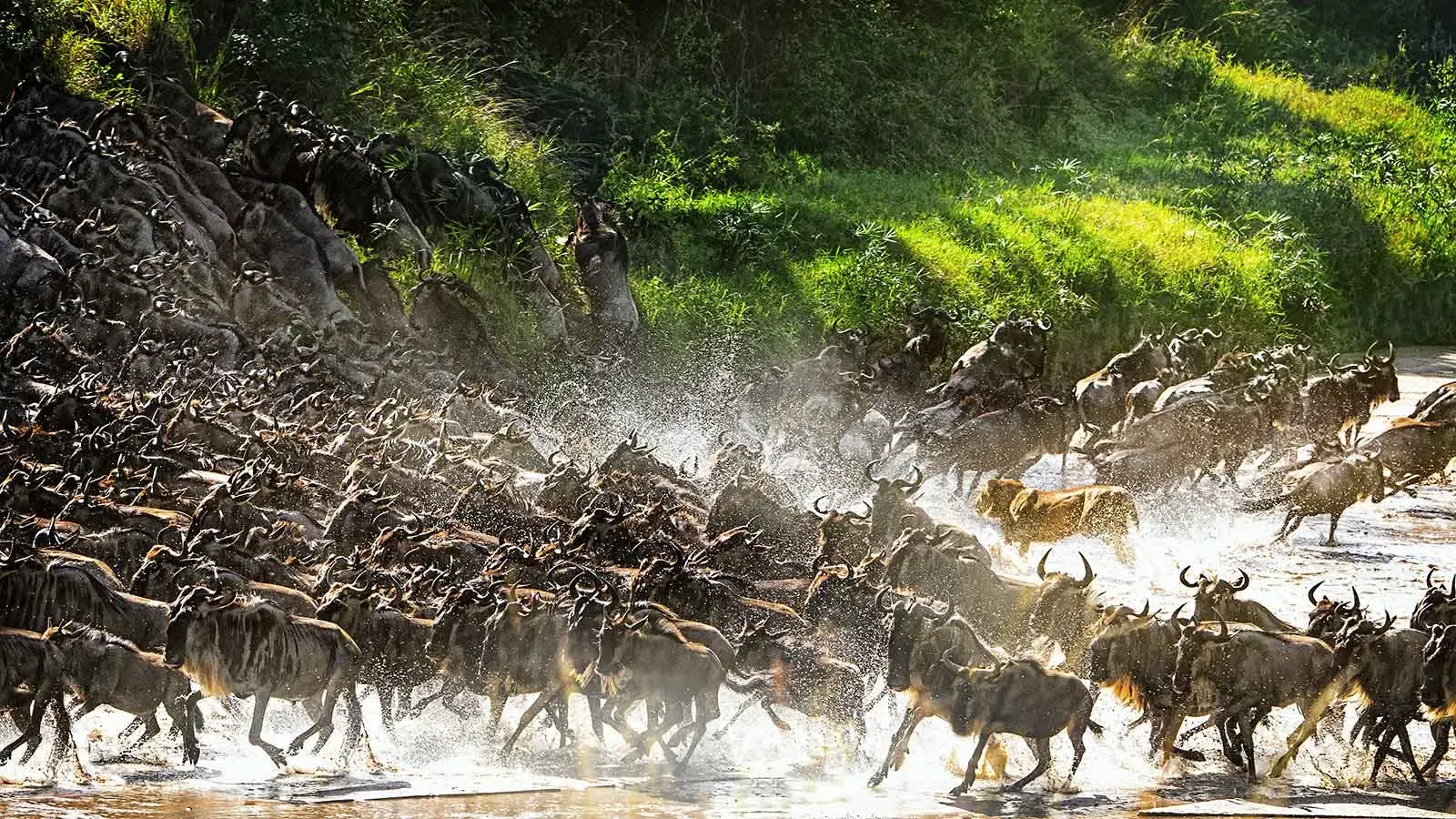
Come to the Serengeti for big-cat encounters, the Great Migration and the feeling of true wilderness. Game drives can last all day, and a private guide can follow fresh tracks, wait patiently at a kopje or position you for a river crossing.
Hot-air balloon flights over the plains at sunrise are a highlight for many travellers and are best booked in advance.
Why choose Ngorongoro
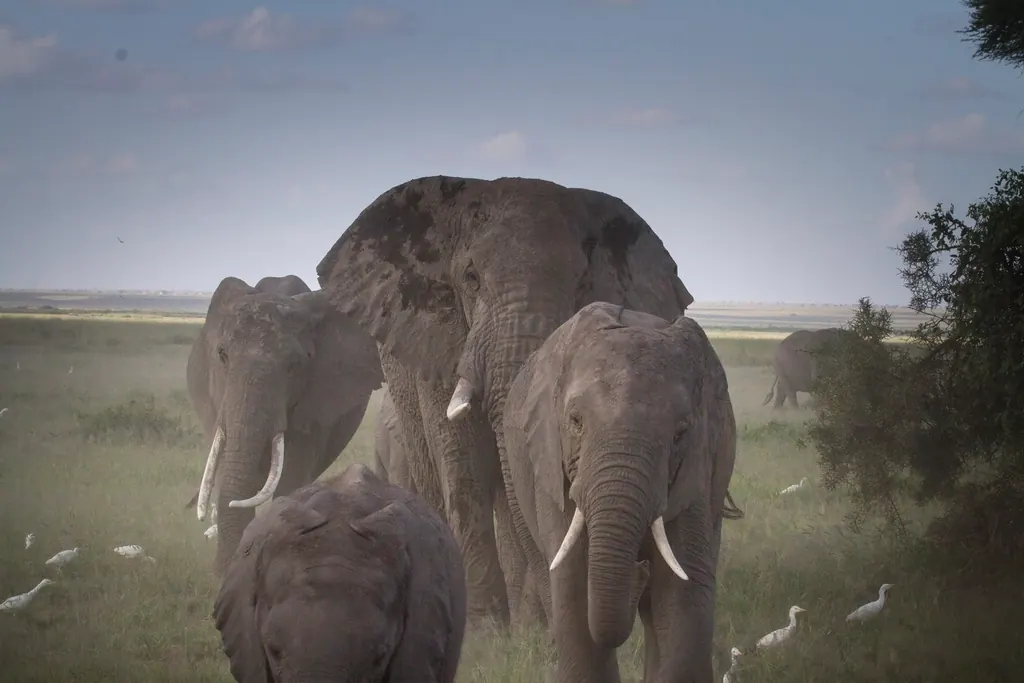
Ngorongoro offers one of the best chances in East Africa to see the endangered black rhino, along with lion, buffalo, elephant and hippo, often in a single morning. The scenery of the crater walls is unforgettable, and the drive along the forested rim is an experience in itself.
Time on the crater floor is limited by park regulations, so it works perfectly as a half-day or full-day visit rather than a multi-day stay.
The best answer: both
Because Ngorongoro lies on the road between Arusha and the Serengeti, combining the two is easy. A typical route spends two or three nights in the Serengeti and one night on the crater rim, often with Tarangire or Lake Manyara at the start.
Our 10-day Ngorongoro and Serengeti safari gives you real time in both, and our 11- and 12-day journeys add more variety.
Ready to turn research into a real journey?
Plan My SafariMore Tanzania travel guides
- Best Time to Visit Tanzania
- What to Pack for an African Safari
- How Many Days Do You Need for a Tanzania Safari?